Real Cost of Studying in Australia in 2026 (INR Breakdown)
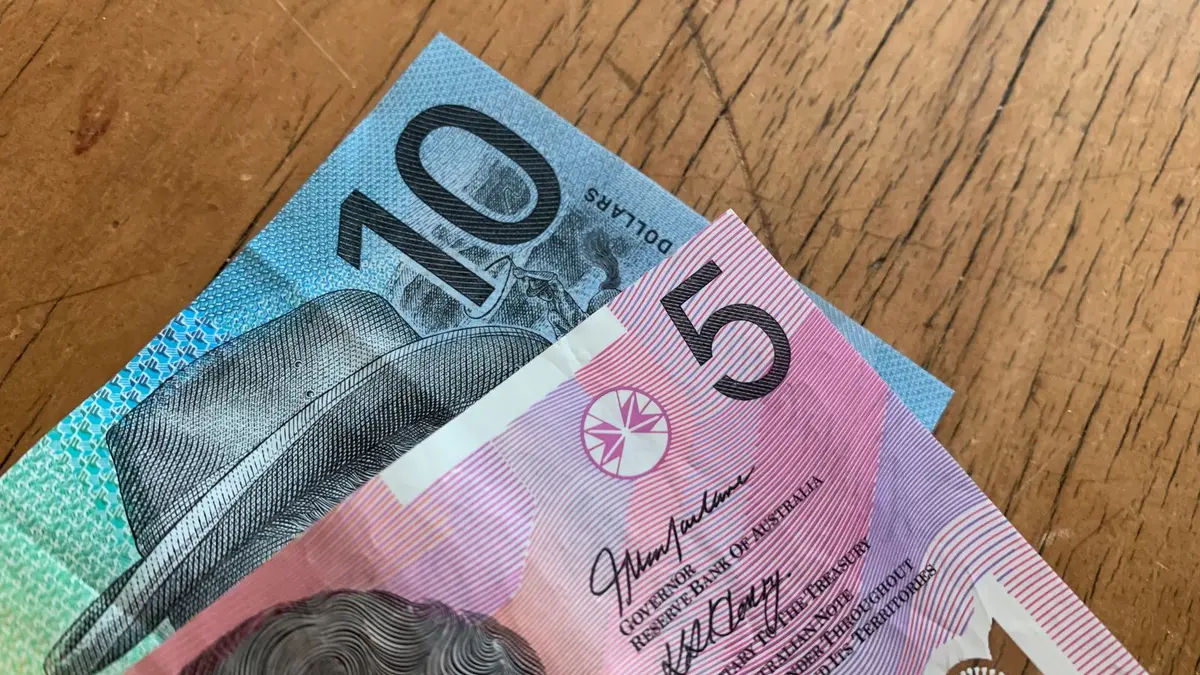
Short answer: A year of study in Australia costs an Indian student a wide range depending on city and university. Group of Eight postgraduate tuition typically runs AUD 38,000 to 65,000 (about INR 25.5 to 43.5 lakh); strong non-Go8 universities often sit lower at AUD 36,000 to 50,000. Rent is about AUD 16,000 to 24,000 a year in Sydney or Melbourne and AUD 10,000 to 16,000 in Brisbane, Adelaide, Perth, and regional centres. Rupee figures use about INR 67 per AUD (June 2026); confirm tuition against your own offer.
The honest answer to "what does studying in Australia cost" is a range, not a single number, because it depends on your city, your university, and how you choose to live. This guide lays out that range in rupees so you can plan with your eyes open. The big figures here are anchored to official sources: the Department of Home Affairs for the funds you must show, Study Australia for living costs, and published university fees for tuition. Rupee amounts use an exchange rate of about 67 rupees to the Australian dollar (June 2026), so they move with the currency. Always confirm tuition against your own offer letter.
Tuition: the biggest line item
Tuition is the single largest cost, and it varies a lot by university and subject. At the Group of Eight universities, published 2026 international fees for a one-year postgraduate programme typically run from about AUD 38,000 to AUD 65,000, which is roughly 25.5 lakh to 43.5 lakh rupees. The top of that band sits at the University of Melbourne, the University of Sydney, and UNSW for lab-based or professional programmes; the lower end is more common for classroom-based subjects.
Outside the Group of Eight, strong universities in Brisbane, Adelaide, Perth, and regional centres often sit lower, frequently in the AUD 36,000 to 50,000 range for a Masters, with the same recognised qualifications. Two practical points. First, the headline range hides real differences: a taught Masters in a regional city can sit near the bottom, while a professional programme in Sydney or Melbourne sits near the top. Second, your subject matters as much as your university. For the per-university ranges we keep current, see our cost of studying in Australia page, and for a national overview, see Study Australia.
Accommodation, by city
Rent is your second biggest cost, and it is where your choices move the number the most. Sydney and Melbourne are the most expensive places to live, with annual student accommodation commonly landing between AUD 16,000 and 24,000 for a room in a CBD-adjacent share or a student-housing studio. Brisbane, Adelaide, Perth, and regional campuses are noticeably easier on the budget, often AUD 10,000 to 16,000 a year for similar housing.
Within any city, your housing type sets the price:
- Purpose-built student accommodation: convenient and bills-inclusive, but usually the priciest per week, especially for a private studio.
- Private share house or flat: the cheapest route once you find a good place, though you add utilities and a bond on top.
- Homestay with a local family: a gentle first-year option, often including some meals.
Choosing a smaller city, or a share house over a studio, is the most powerful single lever you have over your total cost.
Food, transport, and health cover
If you cook most of your own meals, food is one of the more controllable costs, and most students budget roughly AUD 3,500 to 5,500 a year for groceries, leaning higher in Sydney and Melbourne. Eating out regularly adds up fast.
Most students rely on public transport with a concession or student travel card (Opal in Sydney, Myki in Melbourne, and the equivalents elsewhere), and a realistic annual figure is around AUD 1,200 to 1,800 depending on how far you live from campus. Living within a short commute keeps this line small.
Overseas Student Health Cover (OSHC) is not optional. The Department of Home Affairs requires you to hold OSHC for the full duration of your Subclass 500 student visa, and you generally pay for the whole period upfront. For a single student, budget around AUD 650 a year as a planning figure, and confirm the exact premium with your chosen provider (Bupa, Medibank, Allianz, or NIB) before you finalise your budget.
How much can part-time work really offset?
Part-time work can cover a meaningful share of your living costs, though it should never be your plan for paying tuition. Two numbers decide how much it helps: how many hours you can work, and the wage you can earn.
On hours, Subclass 500 student visa holders can work up to 48 hours per fortnight while their course is in session, and unrestricted hours during scheduled course breaks. On the wage, Australia's National Minimum Wage is AUD 24.95 an hour to 30 June 2026, rising to AUD 26.44 an hour from 1 July 2026 under the Fair Work Commission's 2026 review (a 4.75 percent increase). Casual employees (which many student jobs are) receive at least 25 percent on top, so about AUD 31.19 an hour now and AUD 33.05 from 1 July 2026. At those rates, a full 48-hour fortnight earns roughly AUD 1,200 to 1,600 before tax.
Treat that as a buffer for living costs and incidentals, not as a substitute for properly funded tuition and rent. Plenty of students work fewer hours than the cap once study ramps up, so do not bank on the maximum every fortnight.
A sample annual budget in INR
The table below is a rough annual budget in rupees, converted at about 67 rupees to the Australian dollar. Tuition reflects published university fees, and living costs reflect Study Australia and Department of Home Affairs guidance. Treat the columns as lifestyles: "Lower" is a smaller city and a share house, and "Higher" is central Sydney or Melbourne living. These are planning estimates, not quotes.
| Annual cost (INR, estimates) | Lower (Brisbane / Adelaide / Perth / regional) | Higher (Sydney / Melbourne) |
|---|---|---|
| Tuition (Masters) | 24–33.5L | 32–41.5L |
| Accommodation | 6.7–10.7L | 10.7–16L |
| Food and groceries | 2.3–3.2L | 2.7–3.7L |
| Transport | ~80K | ~1.2L |
| OSHC (health cover) | ~44K | ~44K |
| Books and miscellaneous | ~80K | ~1L |
| Indicative total | ~35–49L | ~48–64L |
These totals are deliberately rounded. They are planning estimates, and they exclude one-off pre-departure costs such as your flight, the AUD 2,000 student visa application charge, and your initial settlement kit.
The money you must show for the visa
Separate from what study actually costs, the Department of Home Affairs sets a minimum amount of funds you must demonstrate. From 10 May 2024, the living-costs component of the financial capacity requirement for a single student is AUD 29,710, which is about 19.9 lakh rupees at June 2026 rates. That figure is on top of one year of tuition and your travel costs, and the documentary standards for proving genuine access to those funds have been applied strictly since 2024. We help you build that evidence properly, and we are honest about your chances before you spend on application fees. No reputable consultant can guarantee a visa.
Scholarships and funding
Scholarships can meaningfully reduce the tuition line, especially for students with strong academics. Options for Indian students generally include the government-funded Australia Awards (highly competitive), the Destination Australia scholarship for regional campuses, Group of Eight merit awards, and dedicated university awards for Indian students at institutions such as Deakin, RMIT, Macquarie, Wollongong, and Griffith. Amounts and eligibility change each intake, so check each university's current scholarship page and apply early.
If a scholarship does not fully close the gap, an education loan usually does. We connect and guide you to leading lenders and do not charge a processing fee from our side for loan guidance, so you can compare options without pressure. See our education loan guidance for how that works.
Plan your number, not a guess
The smartest thing you can do is build your own version of the table above using your actual offer letter and your chosen city, then add a buffer. If you want help turning a range into a concrete, fundable plan, book a free consultation and we will work through it with you line by line. For how Australia compares with New Zealand on total cost, see our Australia vs New Zealand guide.
Frequently asked questions
Sources
The figures in this guide come from official sources, current as of June 2026:
- Department of Home Affairs, Student visa financial capacity requirements: the AUD 29,710 single-student living-costs requirement, in effect from 10 May 2024.
- Department of Home Affairs, Subclass 500 Student visa: the 48-hours-per-fortnight work limit, OSHC requirement, and AUD 2,000 application charge.
- Fair Work Ombudsman, Minimum wages and the Annual Wage Review 2026: the AUD 24.95 National Minimum Wage to 30 June 2026, the AUD 26.44 rate from 1 July 2026, and the casual loading.
- Study Australia: national cost-of-living and tuition overview.
- The Vnext Overseas cost of studying in Australia page, kept aligned with the sources above.
Last updated: 21 June 2026.
Written by the Vnext Overseas Team, Auckland and Delhi.
Related posts

Have a question about your own plan?
Every student's situation is different. Talk to our Auckland and Delhi teams for honest, no-pressure guidance on studying in Australia or New Zealand.